Black Thorn by Sarah Hilary
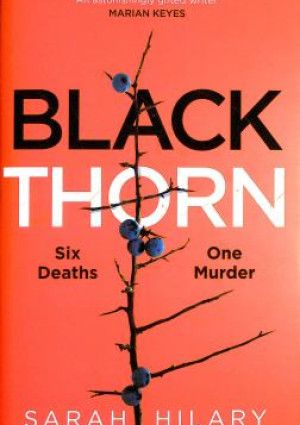
Black Thorn is an eye-catching, attention-grabbing read from the outset with its striking front cover and engaging premise of six deaths, one a murder.
As an avid consumer of the ubiquitous murder mystery crime novel, it takes a special book to engage me. Grounded in a realistic context for the post-pandemic audience, Black Thorn opens from the perspective of an outsider, a delivery driver who, oppressed by consumer demand, barely has time to eat or visit a bathroom. His initial impressions of the utopian new estate on which Black Thorn stands (all the houses are named for trees) are quite literally too good to be true. Previous critics who have likened Hilary's writing to that of Daphne Du Maurier were correct, particularly in the opening chapters where place is established.
The story arc develops as we see the estate from the perspectives of its inhabitants, who are an eclectic mix of damaged and estranged characters, none of whom are terribly likeable. This, for me, was where my engagement started to wane slightly, although in all fairness, I was enduring a double whammy of sinus and tooth pain, so perhaps I am being overly critical.
The most likeable of these characters was Agnes, the autistic daughter of the builder and creator of the estate. She is the first to realise that something is wrong but is literally gaslit by her nearest and dearest. The story thus grows darker with many twists and turns.
Black Thorn is a dark and tragic example of crime fiction. The novel builds on our expectations of crime novels and creates something newer and more disturbing. I would be interested to see the book filmed like some recent examples of Harlan Coben's work have been, perhaps with the aesthetic of the BBC's most recent interpretation of Agatha Christie's 'And Then There Were None', which I think may have in part inspired this work.
Jenny
Format
Books
Reactions